Enter password to view case study
BorrowMate: Inventory & Resource Booking Platform
From manual WhatsApp operations to an automated web-based booking experience
Product Designer
From manual WhatsApp operations to an automated web-based booking experience
2025
Customer Facing Web Design
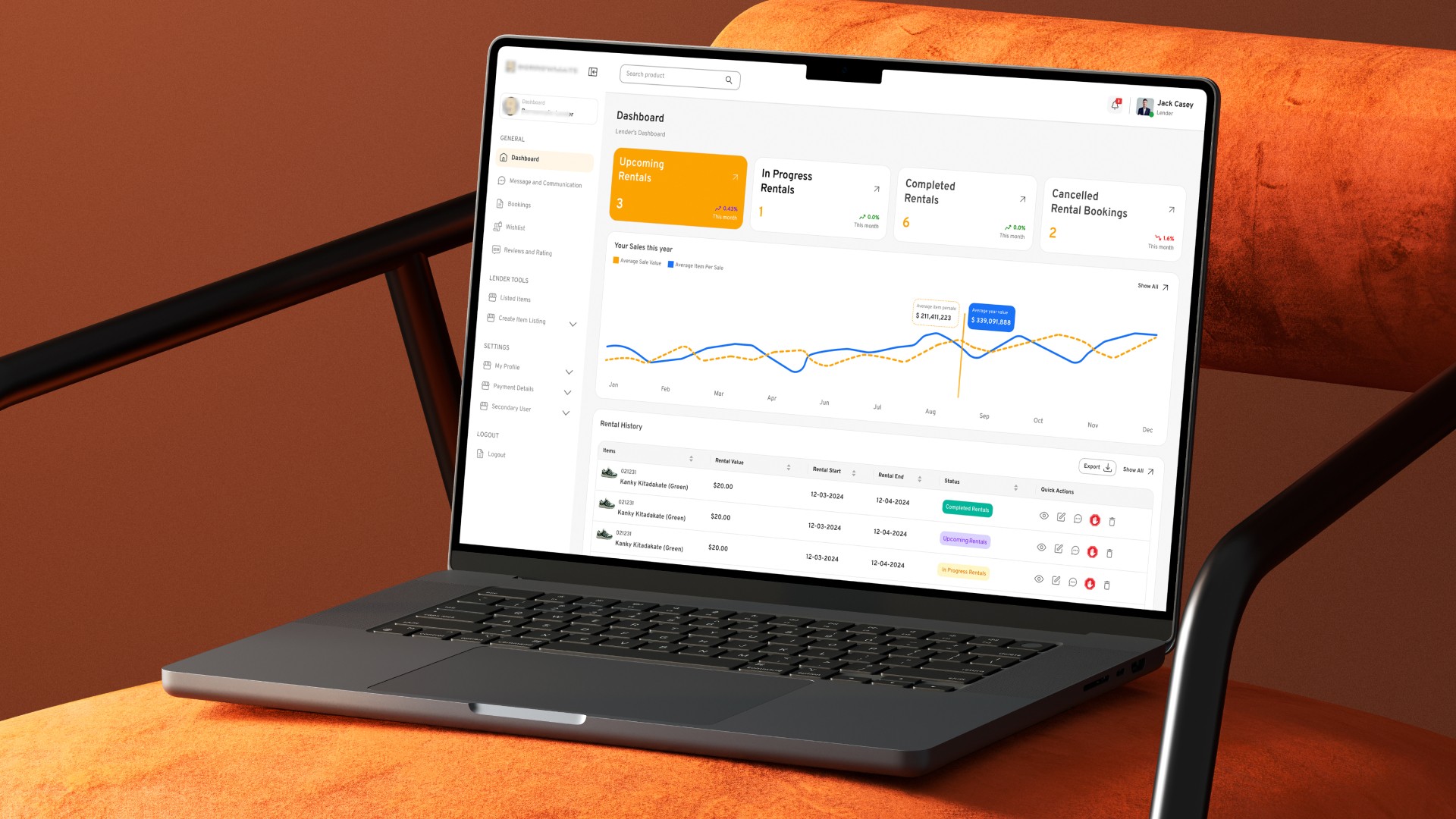
Lender's Dashboard
Renter's Dashboard
Led UX strategy and interface design for resource booking and inventory management, focusing on clear booking flows, system consistency, and scalable user interactions across roles.
BorrowMate is a resource and inventory booking platform designed to streamline equipment reservations, reduce conflict, and improve operational visibility across user types.
I led UX strategy and interface design to create predictable, scalable booking workflows and intuitive interactions.
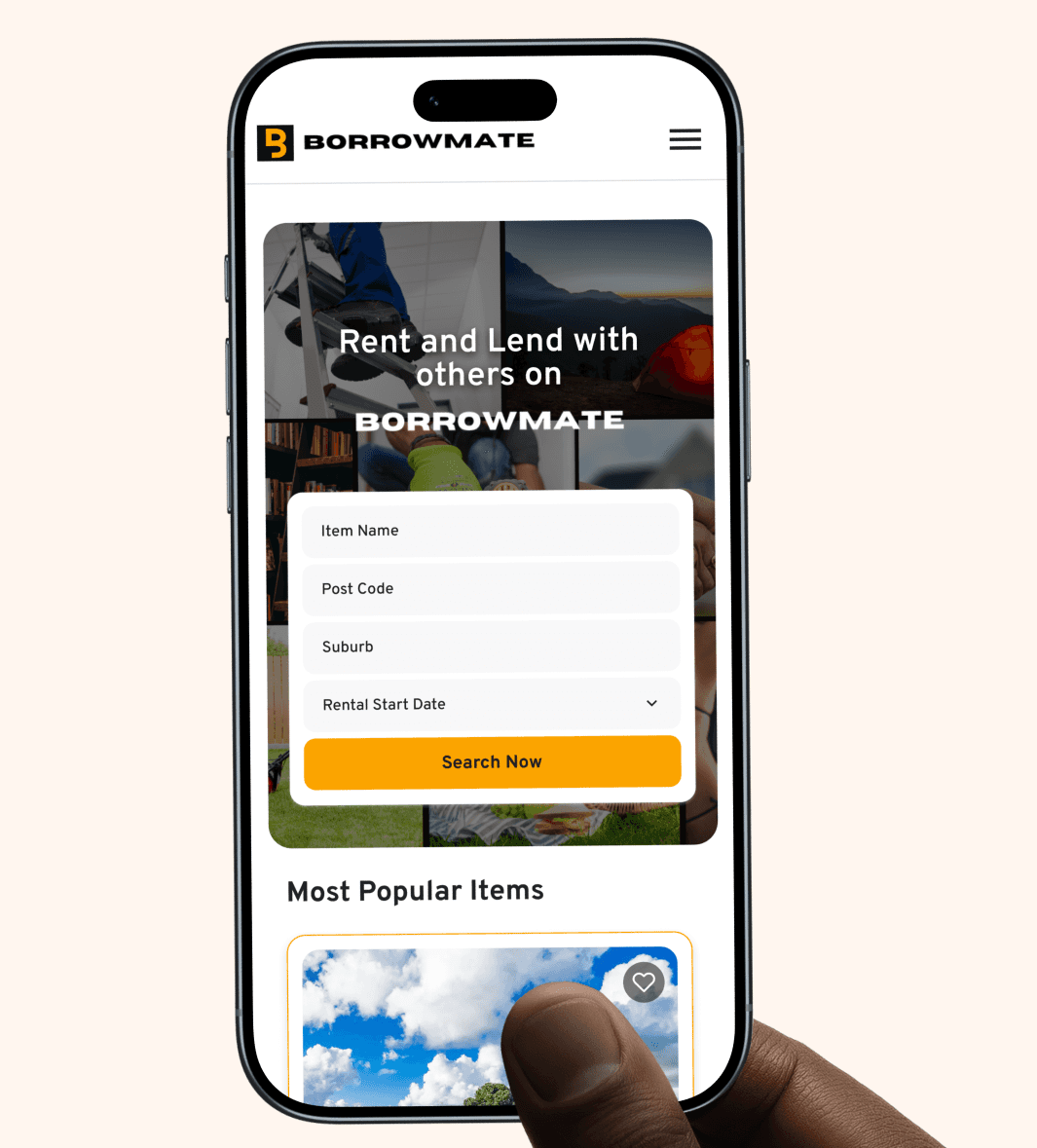
Manual resource booking caused scheduling conflicts and operational inefficiencies. The goal was to unify reservation flows and provide clarity across user tasks.
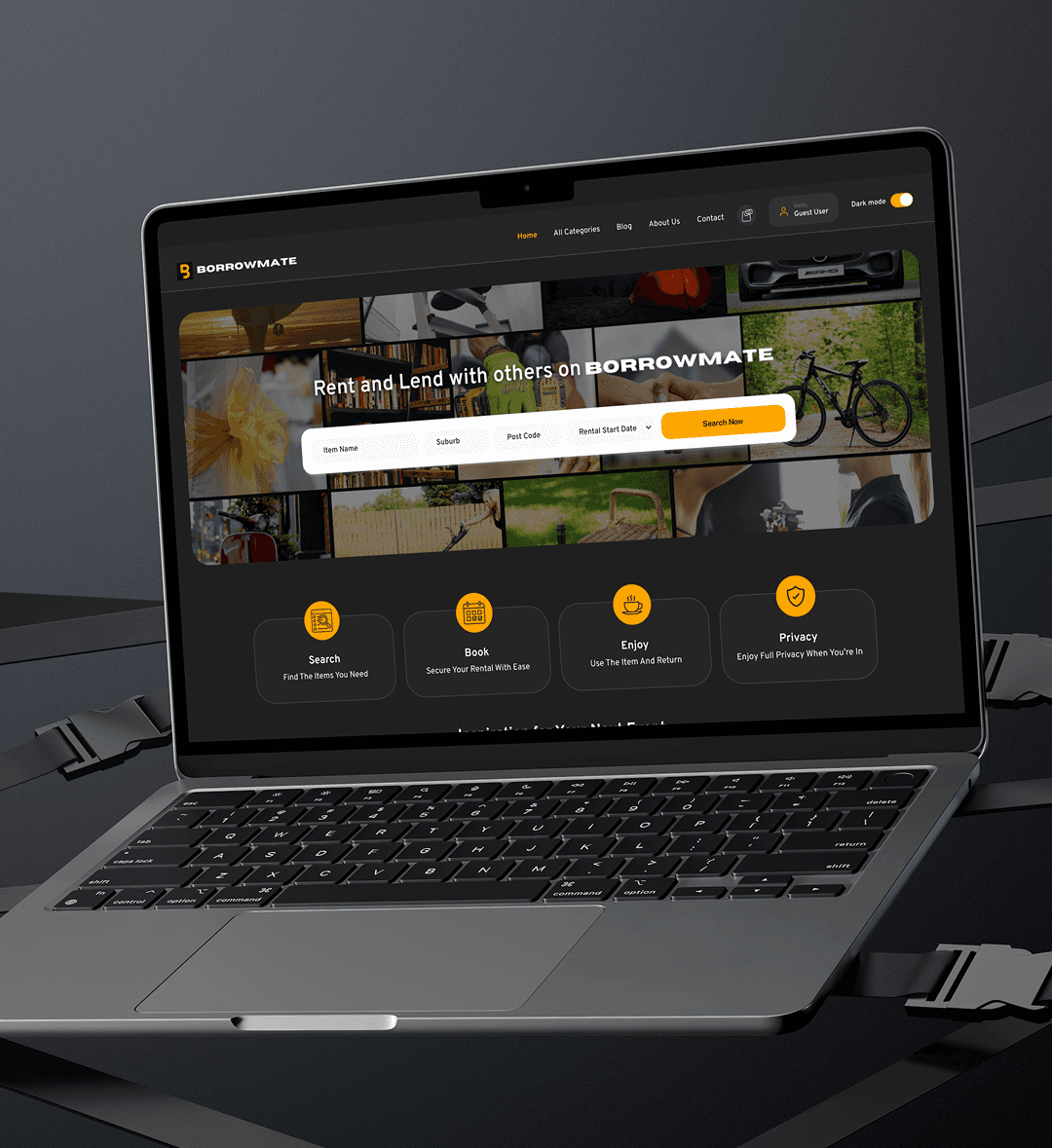
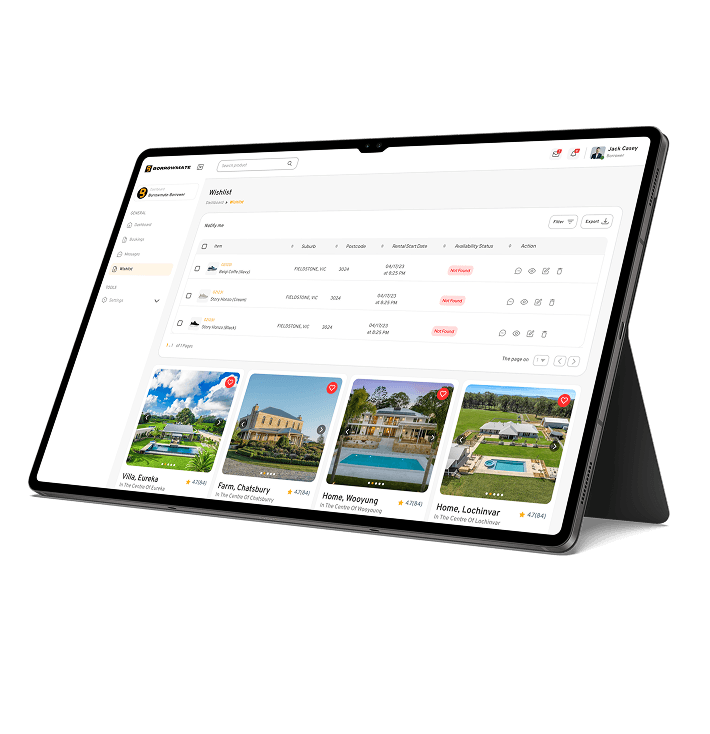
BorrowMate’s interface includes unified calendars, intuitive inventory listings, and step-by-step booking flows that guide users through availability, selection, and confirmation with minimal friction.
Standardizing interaction patterns reduced confusion across roles and supported faster, more reliable reservations, while creating a foundation for future system scaling and feature expansion.
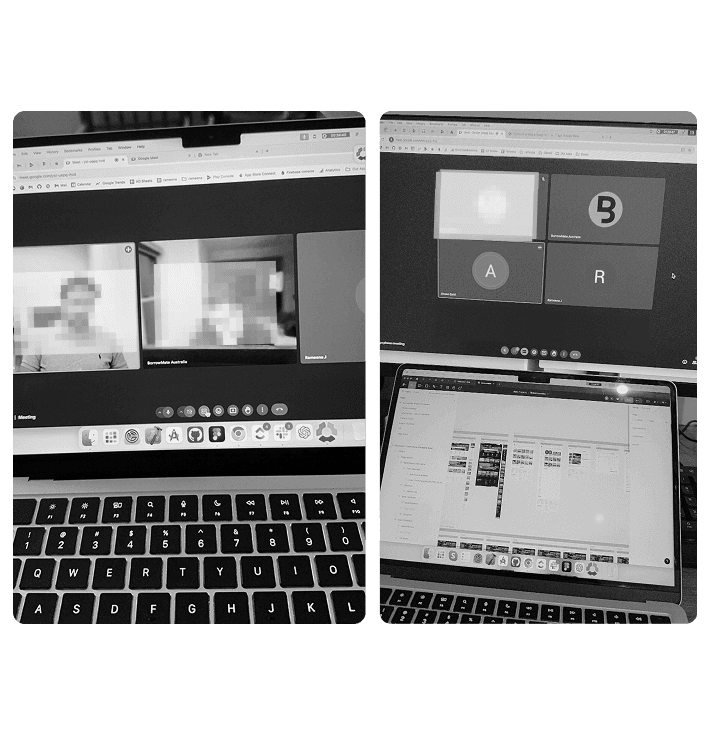
Research was conducted in a real-world product context using a combination of stakeholder inputs, requirement analysis, and marketplace pattern evaluation.
Early discussions with product and operations stakeholders highlighted recurring user confusion around availability, pricing breakdowns, and booking reliability. Additionally, analysis of similar peer-to-peer platforms revealed that users expect trust and clarity signals before pricing or checkout, not during or after.
These inputs helped identify where uncertainty was being introduced in the booking flow and where clearer communication could reduce hesitation.
When availability, condition, or pricing details are unclear, users interpret this as risk rather than flexibility.
Additional steps or unclear transitions made users feel less certain about whether their booking would be successful.
Surfacing verification, breakdowns, and expectations late in the flow reduced user confidence instead of reinforcing it.
Based on the problem space, I defined four guiding principles:
Trust before speed, avoid false confirmations
Explicit system states, users should never guess
Predictability over flexibility, fewer disputes
MVP focus with scalable foundations
These principles directly shaped the booking experience.
Several trade-offs were made to prioritize clarity and trust over speed.
What we chose:
Clear availability confirmation before checkout
Explicit pricing breakdowns
Fewer but more meaningful steps
What we traded off:
Instant booking speed
Feature density in early stages
This decision was intentional. In a trust-sensitive marketplace, reducing ambiguity was more valuable than minimizing steps.
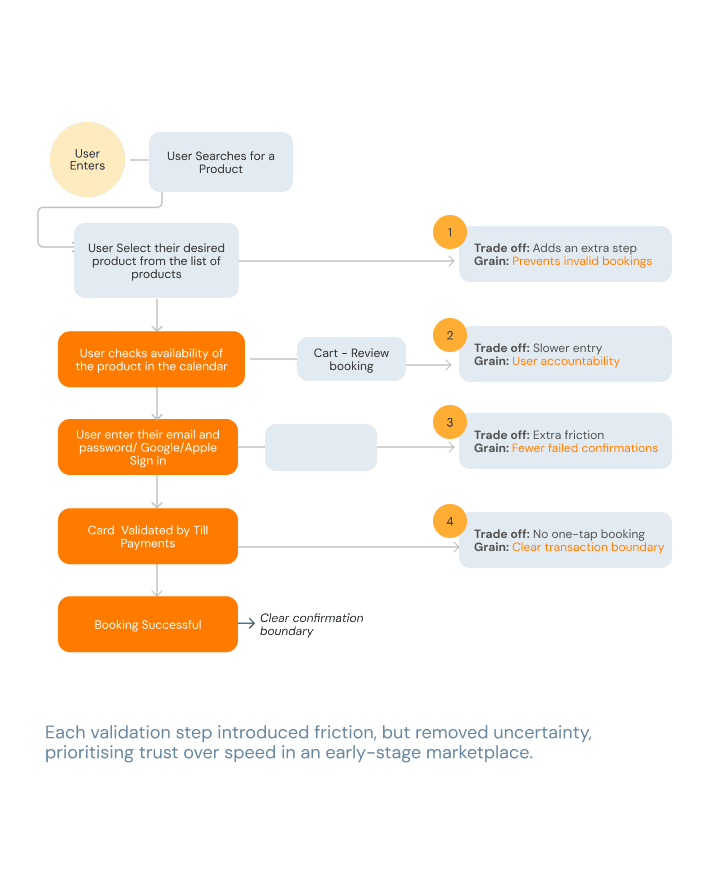
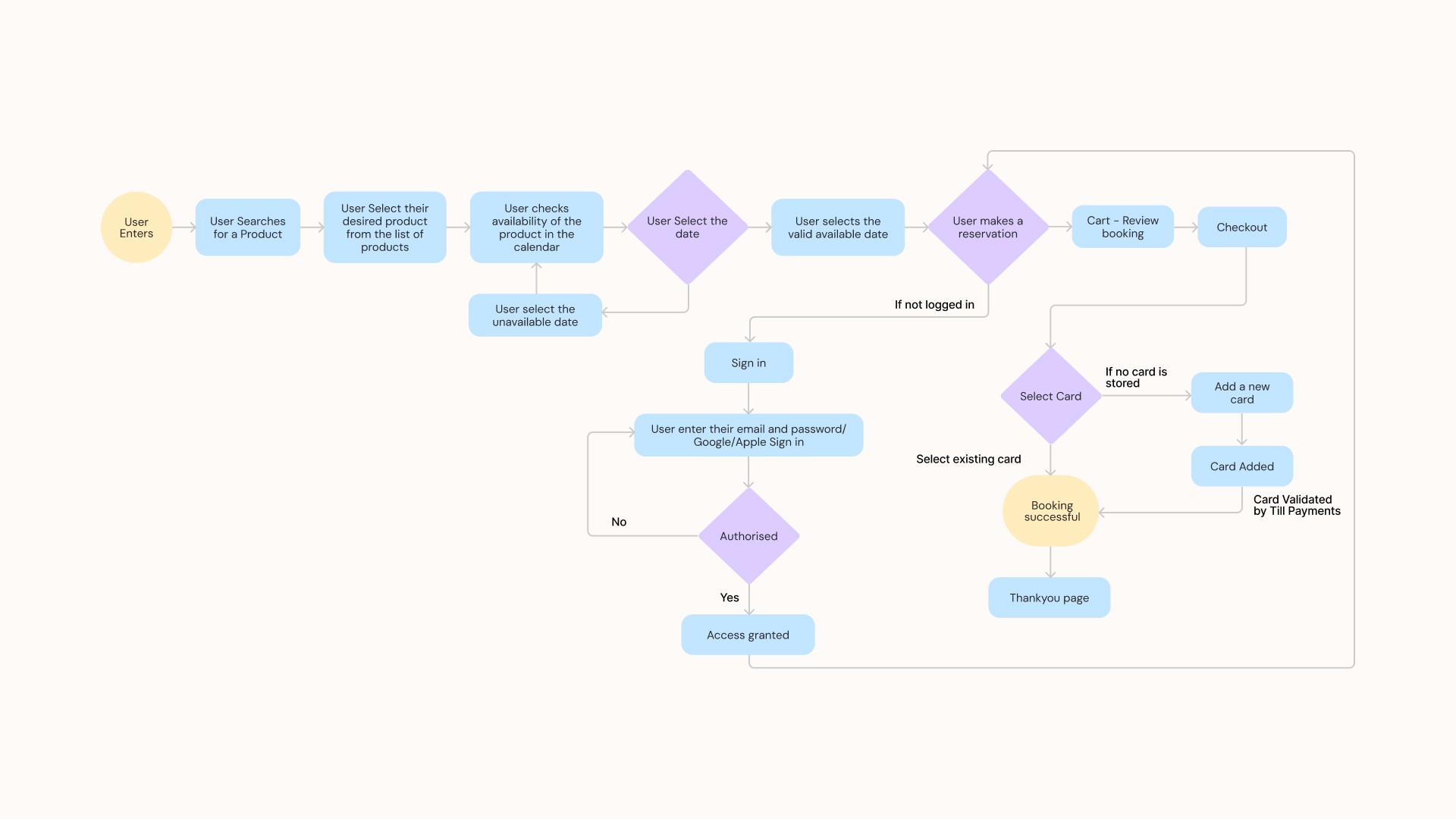
Borrowmate is a multi-role marketplace, not a single-user product.
Each role has different incentives and risks, which required explicit system states and controlled transitions.
Searches, Selects dates, Books, and Pays.
Manages Availability and Approves Rentals.
Manages Availability and Approves Rentals.
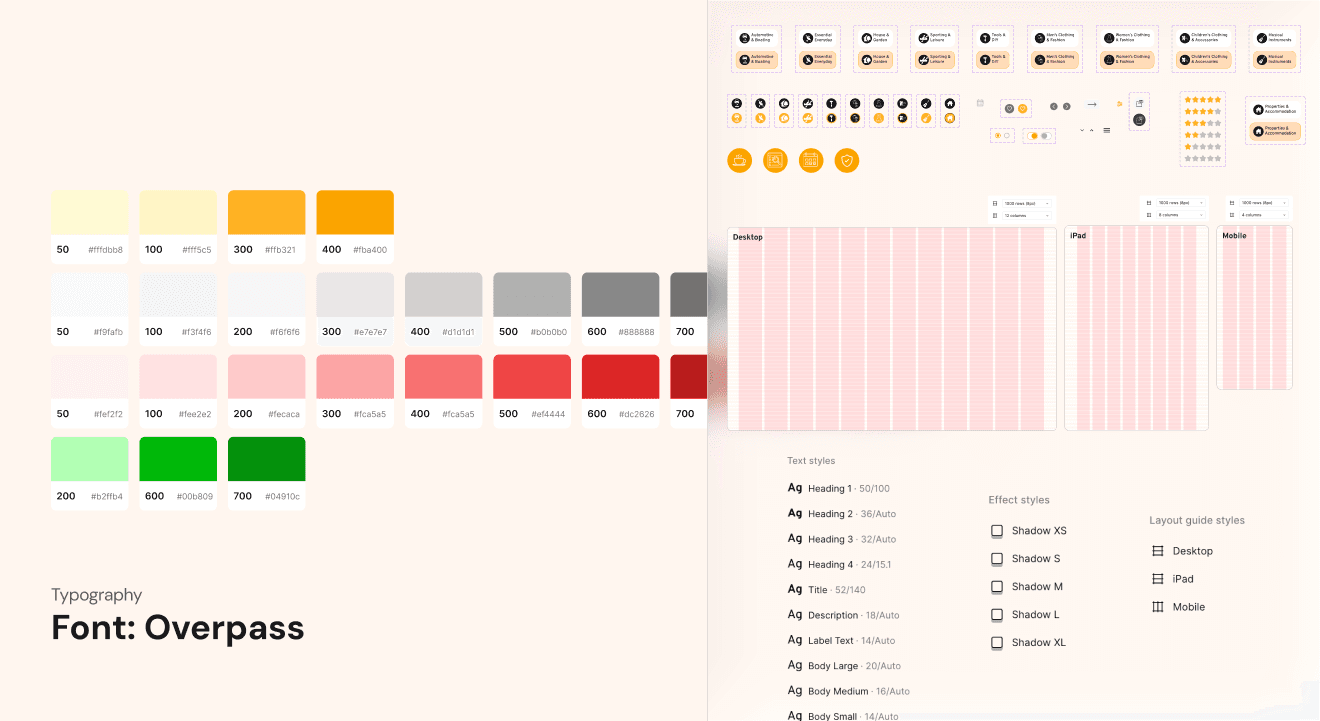
I created a semantic design system to support:
Consistent UI across renter, lender, and admin
Clear status colours and messaging
Reusable components for booking, cards, and states
Responsive layouts (desktop, tablet, mobile)
The system was designed to scale without rework as features and roles expand.
Success was evaluated qualitatively through:
Reduced confusion around booking status
Clearer user understanding of availability
Lower likelihood of failed or disputed bookings
Increased lender confidence to list items
Rather than optimising for speed metrics, the focus was on confidence and clarity, which are critical for peer-to-peer rentals.
These design decisions laid the foundation for scalable booking experiences and improved predictability across user workflows.
This project reinforced that in real marketplace products, trust is a design responsibility, not a visual layer.
Designing with restraint, choosing clarity over feature volume; proved more effective in reducing hesitation. If extended further, usability testing and behavioral analytics would be used to validate assumptions and refine trust mechanisms.
Some projects are password-protected. If you’d like access or a walkthrough, feel free to contact me via email.
© 2026 Rameena Jalil
Product Designer
From manual WhatsApp operations to an automated web-based booking experience
YEAR
2025
SERVICES
Customer Facing Web Design
Lender's Dashboard
Renter's Dashboard
ROLE
Led UX strategy and interface design for resource booking and inventory management, focusing on clear booking flows, system consistency, and scalable user interactions across roles.
BorrowMate is a resource and inventory booking platform designed to streamline equipment reservations, reduce conflict, and improve operational visibility across user types.
I led UX strategy and interface design to create predictable, scalable booking workflows and intuitive interactions.
Manual resource booking caused scheduling conflicts and operational inefficiencies. The goal was to unify reservation flows and provide clarity across user tasks.
BorrowMate’s interface includes unified calendars, intuitive inventory listings, and step-by-step booking flows that guide users through availability, selection, and confirmation with minimal friction.
Standardizing interaction patterns reduced confusion across roles and supported faster, more reliable reservations, while creating a foundation for future system scaling and feature expansion.
Research was conducted in a real-world product context using a combination of stakeholder inputs, requirement analysis, and marketplace pattern evaluation.
Early discussions with product and operations stakeholders highlighted recurring user confusion around availability, pricing breakdowns, and booking reliability. Additionally, analysis of similar peer-to-peer platforms revealed that users expect trust and clarity signals before pricing or checkout, not during or after.
These inputs helped identify where uncertainty was being introduced in the booking flow and where clearer communication could reduce hesitation.
When availability, condition, or pricing details are unclear, users interpret this as risk rather than flexibility.
Additional steps or unclear transitions made users feel less certain about whether their booking would be successful.
Surfacing verification, breakdowns, and expectations late in the flow reduced user confidence instead of reinforcing it.
Based on the problem space, I defined four guiding principles:
Trust before speed, avoid false confirmations
Explicit system states, users should never guess
Predictability over flexibility, fewer disputes
MVP focus with scalable foundations
These principles directly shaped the booking experience.
Several trade-offs were made to prioritize clarity and trust over speed.
What we chose:
Clear availability confirmation before checkout
Explicit pricing breakdowns
Fewer but more meaningful steps
What we traded off:
Instant booking speed
Feature density in early stages
This decision was intentional. In a trust-sensitive marketplace, reducing ambiguity was more valuable than minimizing steps.
Borrowmate is a multi-role marketplace, not a single-user product.
Each role has different incentives and risks, which required explicit system states and controlled transitions.
Searches, Selects dates, Books, and Pays.
Manages Availability and Approves Rentals.
Manages Availability and Approves Rentals.
I created a semantic design system to support:
Consistent UI across renter, lender, and admin
Clear status colours and messaging
Reusable components for booking, cards, and states
Responsive layouts (desktop, tablet, mobile)
The system was designed to scale without rework as features and roles expand.
Success was evaluated qualitatively through:
Reduced confusion around booking status
Clearer user understanding of availability
Lower likelihood of failed or disputed bookings
Increased lender confidence to list items
Rather than optimising for speed metrics, the focus was on confidence and clarity, which are critical for peer-to-peer rentals.
These design decisions laid the foundation for scalable booking experiences and improved predictability across user workflows.
This project reinforced that in real marketplace products, trust is a design responsibility, not a visual layer.
Designing with restraint, choosing clarity over feature volume; proved more effective in reducing hesitation. If extended further, usability testing and behavioral analytics would be used to validate assumptions and refine trust mechanisms.
hello.uxbyray@gmail.com
Some projects are password-protected. If you’d like access or a walkthrough, feel free to contact me via email.
© 2026 Rameena Jalil
Product Designer
From manual WhatsApp operations to an automated web-based booking experience
YEAR
SERVICES
Customer Facing Web Design
Lender's Dashboard
Renter's Dashboard
ROLE
Led UX strategy and interface design for resource booking and inventory management, focusing on clear booking flows, system consistency, and scalable user interactions across roles.
BorrowMate is a resource and inventory booking platform designed to streamline equipment reservations, reduce conflict, and improve operational visibility across user types.
I led UX strategy and interface design to create predictable, scalable booking workflows and intuitive interactions.
Manual resource booking caused scheduling conflicts and operational inefficiencies. The goal was to unify reservation flows and provide clarity across user tasks.
BorrowMate’s interface includes unified calendars, intuitive inventory listings, and step-by-step booking flows that guide users through availability, selection, and confirmation with minimal friction.
Standardizing interaction patterns reduced confusion across roles and supported faster, more reliable reservations, while creating a foundation for future system scaling and feature expansion.
Research was conducted in a real-world product context using a combination of stakeholder inputs, requirement analysis, and marketplace pattern evaluation.
Early discussions with product and operations stakeholders highlighted recurring user confusion around availability, pricing breakdowns, and booking reliability. Additionally, analysis of similar peer-to-peer platforms revealed that users expect trust and clarity signals before pricing or checkout, not during or after.
These inputs helped identify where uncertainty was being introduced in the booking flow and where clearer communication could reduce hesitation.
When availability, condition, or pricing details are unclear, users interpret this as risk rather than flexibility.
Additional steps or unclear transitions made users feel less certain about whether their booking would be successful.
Surfacing verification, breakdowns, and expectations late in the flow reduced user confidence instead of reinforcing it.
Based on the problem space, I defined four guiding principles:
Trust before speed, avoid false confirmations
Explicit system states, users should never guess
Predictability over flexibility, fewer disputes
MVP focus with scalable foundations
These principles directly shaped the booking experience.
Several trade-offs were made to prioritize clarity and trust over speed.
What we chose:
Clear availability confirmation before checkout
Explicit pricing breakdowns
Fewer but more meaningful steps
What we traded off:
Instant booking speed
Feature density in early stages
This decision was intentional. In a trust-sensitive marketplace, reducing ambiguity was more valuable than minimizing steps.
Borrowmate is a multi-role marketplace, not a single-user product.
Each role has different incentives and risks, which required explicit system states and controlled transitions.
Searches, Selects dates, Books, and Pays.
Manages Availability and Approves Rentals.
Manages Availability and Approves Rentals.
I created a semantic design system to support:
Consistent UI across renter, lender, and admin
Clear status colours and messaging
Reusable components for booking, cards, and states
Responsive layouts (desktop, tablet, mobile)
The system was designed to scale without rework as features and roles expand.
Success was evaluated qualitatively through:
Reduced confusion around booking status
Clearer user understanding of availability
Lower likelihood of failed or disputed bookings
Increased lender confidence to list items
Rather than optimising for speed metrics, the focus was on confidence and clarity, which are critical for peer-to-peer rentals.
These design decisions laid the foundation for scalable booking experiences and improved predictability across user workflows.
This project reinforced that in real marketplace products, trust is a design responsibility, not a visual layer.
Designing with restraint, choosing clarity over feature volume; proved more effective in reducing hesitation.
If extended further, usability testing and behavioral analytics would be used to validate assumptions and refine trust mechanisms.
Some projects are password-protected. If you’d like access or a walkthrough, feel free to contact me via email.
© 2026 Rameena Jalil